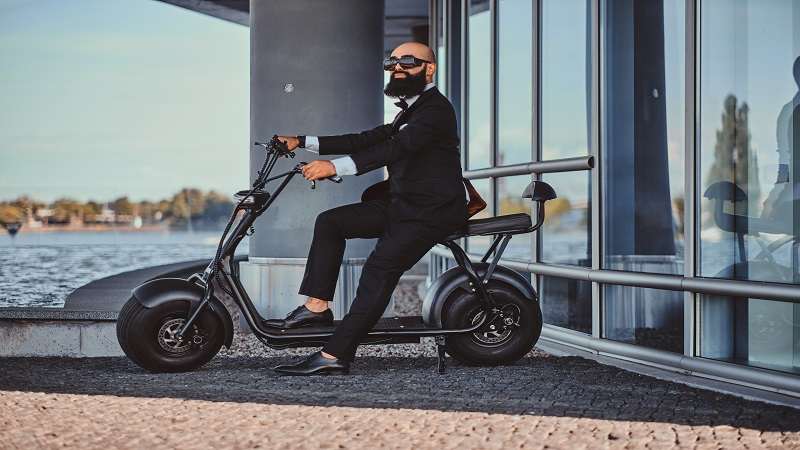
The shift toward electric mobility has transformed the way people think about personal transportation. What once felt like a futuristic novelty has quickly become a practical solution for commuting, adventure riding, and everyday errands. Electric bikes have surged in popularity for their ability to bridge the gap between traditional bicycles and motorized vehicles. In parallel, electric scooters have carved out their own niche as agile, accessible alternatives for short-distance travel.
Whether you are exploring city streets or getting off the beaten path, both electric bikes and scooters offer unique benefits. As interest grows, riders are discovering how these machines complement one another and expand the possibilities of where and how we move.
Early adopters and seasoned riders are also comparing options across different terrains and purposes. For those who crave more rugged and powerful rides, the best electric dirt bikes Canada category highlights machines that amp up the adventure potential. These electric dirt bikes combine torque, durability, and off-road agility, appealing to riders who want more than the typical commuter experience.
Let’s take a deeper look at electric bikes, how they relate to electric scooters, and why both are reshaping what modern mobility looks like.
What Defines an Electric Bike
At its core, an electric bike, or e-bike, integrates a battery-powered motor with a traditional bicycle platform. The motor assists the rider’s pedaling, making it easier to climb hills, accelerate, and ride for longer distances without excessive effort. This assistance can vary from light support to powerful boosts that allow speeds comparable to small motorcycles, depending on the class of e-bike.
E-bikes typically fall into three categories:
- Class 1: Pedal assist only with no throttle, up to 20 mph assistance.
- Class 2: Pedal assist with throttle up to 20 mph.
- Class 3: Higher-speed pedal assist up to 28 mph without throttle.
This variety makes e-bikes versatile for different rider needs, whether commuting, fitness, or recreation.
How Electric Scooters Fit into the Electric Mobility Landscape
Electric scooters share the same broad goal as e-bikes: to provide emission-free, flexible transportation. However, their form factor and riding experience differ significantly.
Electric scooters are compact and stand-up platforms powered entirely by a motor without pedaling. They are ideal for short trips, first- and last-mile connectivity, and riders who want a lightweight, portable option that’s easy to park or carry.
Both electric bikes and scooters offer:
- Lower operating costs compared to cars or motorcycles.
- Emission-free operation for environmentally conscious riders.
- Greater ease of use in dense urban environments.
Where e-bikes shine for longer distances, fitness benefits, and diverse terrain use, scooters excel for quick errands, short commutes, and simplicity. These differences create complementary benefits rather than direct competition.
Benefits of Electric Bikes Over Traditional Bikes
E-bikes offer several advantages beyond what traditional bicycles can provide:
Extended Range and Reduced Physical Strain
The motor assistance on e-bikes means riders can tackle longer distances or hilly terrain with less fatigue. Riders who might avoid cycling due to physical constraints or geography find e-bikes liberating and accessible.
Commutes Become More Practical
With the consistent help of an electric motor, commuting by bike becomes feasible for a broader range of people. Rides that were once too long, sweaty, or exhausting are now comfortable and efficient.
Accessibility for All Fitness Levels
E-bikes make cycling inclusive. Riders recovering from injury, older adults, or those with limited fitness can enjoy extended rides without overexertion.
Versatility for Different Lifestyles
E-bikes can be configured with cargo racks, child seats, and accessories, supporting family riders or those using bikes for errands and groceries.
Benefits of Electric Scooters
While e-bikes focus on versatility and range, electric scooters have their unique strengths:
Compact and Portable
Scooters are lighter and easier to fold or carry than most e-bikes, making them ideal for mixed-mode commuting (for example, combining last-mile scooter rides with public transit).
Simple Operation
With no pedaling involved, electric scooters can be more appealing to casual riders or people who prioritize convenience over physical engagement.
Cost-Effective Urban Travel
Electric scooters can be more affordable than e-bikes, offering an entry point into electric mobility without significant investment.
Comparing Riding Experiences
The riding experiences between electric bikes and scooters differ notably:
- Posture and comfort: E-bikes offer bicycle-style seating and ergonomics, better suited for long rides. Scooters are stand-up and may be less comfortable over extended periods.
- Speed and control: E-bikes provide more control and stability, especially at higher speeds or on varied terrain. Scooters are nimble but optimized for smoother urban surfaces.
- Terrain flexibility: E-bikes perform well on a range of surfaces, from city streets to light trails. Scooters are best on paved environments.
These differences highlight how riders can choose based on preferences, distances, and intended use.
Use Cases That Blend Bikes and Scooters
Rather than seeing e-bikes and electric scooters as alternatives, many riders use both depending on context. Examples include:
Commuters
A person might ride an e-bike for longer, hill-heavy commutes and use a scooter for quick trips within the neighborhood or to reach transit hubs.
Families
Parents might use an e-bike with cargo attachments for errands while kids use scooters for fun short rides.
Multi-Modal Urban Travel
Combining a bus or train ride with an electric scooter for the last mile can save time and simplify parking and storage logistics.
Factors to Consider When Choosing Between Them
When deciding which electric mobility device fits your lifestyle, consider:
- Distance traveled daily
- Terrain and route type
- Storage and portability needs
- Desired level of physical activity
- Safety and comfort priorities
There is no one-size-fits-all answer. Many riders start with one and eventually incorporate both into their routines.
The Growing Influence of Electric Mobility
The rise of electric bikes and scooters reflects a broader shift in how people think about transportation. Several trends support this movement:
Urbanization and Congestion Solutions
Cities face increasing traffic congestion, and compact electric vehicles offer a practical alternative for urban commuters who want to avoid gridlock and parking hassles.
Environmental Awareness
Reducing emissions and personal carbon footprints is more important for many riders today. Electric bikes and scooters produce zero tailpipe emissions, aligning with sustainable lifestyle choices.
Improvements in Technology
Battery, motor, and material advancements have made electric bikes and scooters more reliable, longer-range, and lighter than ever before. These improvements increase user confidence and expand the use cases for both devices.
Safety and Responsibility
Riding any powered vehicle carries inherent risks. To make the most of electric bikes and scooters:
- Wear appropriate protective gear, especially helmets.
- Learn the traffic laws and regulations for your area.
- Practice handling and braking in a safe environment before riding in busy zones.
- Maintain your ride regularly, checking brakes, tires, and battery health.
A safe rider is an informed rider.
The Future of Personal Electric Transport
Electric mobility is continuing to expand beyond novelty into mainstream transportation solutions. As infrastructure evolves and charging becomes more accessible, e-bikes and scooters will play increasing roles in daily life. Integrations such as dedicated bike lanes, micro-mobility hubs, and expanded public transit connections will further solidify their place.
Importantly, riders are no longer limited to one type of electric mobility device. Many embrace a hybrid approach to fit lifestyle needs, blending the range of e-bikes with the convenience of scooters.
Whether your priority is daily commuting, fitness, or urban exploration, these electric devices are reshaping expectations and expanding our transport choices.