Why Seafood Matters in Smart Travel
Travel is about immersion. Beyond architecture and scenery, cuisine becomes one of the most memorable aspects of any destination. For smart travelers, food choices are intentional. They seek meals that reflect local culture while also supporting personal wellness. Seafood naturally fits this approach because it connects visitors directly to coastal traditions, seasonal availability, and regional identity.
From Mediterranean fishing villages to Southeast Asian night markets, seafood reveals the story of place. Whether it is grilled fish by the Adriatic Sea, shrimp curry in Thailand, or ceviche in Peru, marine cuisine mirrors geography and heritage. Learning how to evaluate freshness while abroad enhances both flavor and safety.
Recognizing Freshness in Local Markets
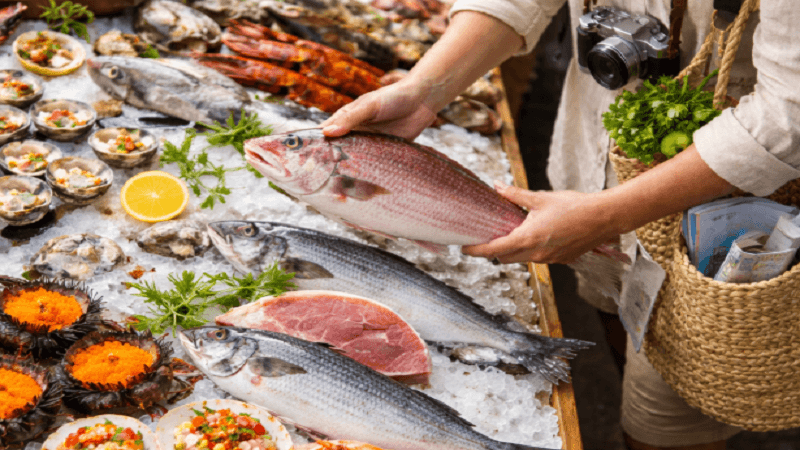
Open-air fish markets are often the heart of coastal communities. Smart travelers know that freshness is visible. Whole fish should have clear eyes, shiny skin, and firm flesh. Shellfish should carry a clean ocean scent, never a strong or sour odor. Ice displays should be solid and cold rather than watery and melting.
Observation is key. Vendors with steady local customers and high turnover typically indicate reliable quality. Watching how seafood is stored, handled, and cleaned can teach more than any menu description. These small details empower travelers to make confident dining decisions.
Learning from Local Cooking Techniques
Different cultures approach seafood preparation in distinctive ways. In Japan, precision and minimalism dominate, allowing texture and natural flavor to shine. In Portugal, seafood is grilled over open flames with olive oil and salt. In Vietnam, herbs and citrus brighten lighter dishes. Each region highlights a balance between technique and simplicity.
Shellfish dishes are particularly instructive because they quickly reveal whether technique is correct. Among them, shrimp is one of the most widely enjoyed examples across global cuisines, appearing in everything from Mediterranean grills to Southeast Asian stir-fries. In many coastal towns, chefs demonstrate how proper drying, heat control, and timing preserve tenderness and prevent a rubbery texture. Travelers who want to recreate those flavors at home often look for dependable resources on how to cook shrimp so they can maintain that same balance between caramelization and moisture. Observing preparation methods abroad offers practical insight that translates directly into better home cooking.
Prioritizing Food Safety While Exploring
Seafood is highly nutritious, but storage matters. Smart travel eating includes evaluating the environment and handling practices. Busy restaurants with strong reputations often indicate high product turnover. Fresh deliveries in the morning may signal optimal timing for market visits.
In regions where refrigeration may be inconsistent, fully cooked dishes can be safer choices than raw preparations. Asking hotel staff or trusted locals for recommendations also helps travelers avoid common pitfalls. Food should be adventurous, but never careless.
Understanding Sustainability on the Road
Responsible travel extends to food decisions. Overfishing and environmental stress have affected many marine ecosystems. Smart travelers can support sustainability by choosing species that are abundant locally rather than globally overharvested options.
Some regions provide eco-labels or certifications, while others rely on traditional, small-scale fishing. Engaging vendors in conversation about sourcing practices adds depth to the culinary experience. Supporting responsible fisheries ensures that coastal communities continue to thrive for generations.
Nutritional Benefits of Seafood-Based Meals
Seafood supports energy and wellness during active travel days. Many varieties are rich in high-quality protein without excessive saturated fat. Fatty fish provide omega-3 fatty acids linked to cardiovascular and cognitive health. Lean shellfish contribute essential minerals such as selenium, zinc, and iodine.
After long days of sightseeing, nutrient-dense meals help restore energy and prevent fatigue. Pairing seafood with vegetables, legumes, and whole grains creates balanced plates that satisfy without heaviness.
Bringing Travel Lessons Back Home
The experience of tasting expertly prepared seafood abroad often inspires culinary exploration at home. Memories of a seaside meal can motivate travelers to refine their own cooking techniques. By remembering the emphasis on freshness, careful seasoning, and controlled heat, they can replicate authentic flavors.
Markets, in particular, offer powerful education. Seeing seasonal varieties firsthand builds confidence in ingredient selection. Informal exchanges with vendors or chefs deepen understanding of preparation and preservation methods.
Practicing Mindful Indulgence
Smart travel eating does not eliminate indulgence. Instead, it balances enjoyment with awareness. Grilled or lightly sautéed seafood allows travelers to savor flavor without excessive richness. Choosing dishes prepared with fresh herbs, citrus, and moderate oils aligns with both wellness and cultural authenticity.
Photography may capture the visual appeal of a dish, but mindful travelers look beyond presentation. They appreciate sourcing, technique, and tradition. Asking questions about where seafood was caught or how it is prepared transforms meals into meaningful learning experiences.
A Lasting Impact Beyond the Journey
Choosing fresh seafood while traveling builds skills that extend beyond a single trip. The ability to evaluate quality, recognize proper preparation, and understand sustainability influences everyday habits long after returning home.
Smart travel eating is ultimately about awareness. It blends curiosity with responsibility, pleasure with intention. By approaching seafood thoughtfully—whether in a bustling harbor city or a quiet fishing village—travelers enhance not only their dining experiences but also their broader understanding of global food culture.